Getting started

Introductory courses

Courses tagged with "Getting started"

Using version control for your scripts, codes, documents, papers, and even data, allows you to track changes, keep backups, and facilitate collaboration.  In this workshop, you will learn the basics of version control with the popular distributed version control software GIT. This workshop assumes that students have an understanding of basic Linux shell commands.

Format: Virtual

Teacher: James Willis
Category: Data Science
Date: Wed, 6 Nov 2024 - 1:00 pm
Data Science Credits: 3
Git course cover image with icons including file with clock, branching diagram, command prompt window and GitHub.

Using version control for your scripts, codes, documents, papers, and even data, allows you to track changes, keep backups, and facilitate collaboration. In this workshop, you will learn the basics of version control with the popular distributed version control software Git. This workshop assumes that students have an understanding of basic Linux shell commands.

Category: Data Science
Date: Tue, 11 Mar 2025 - 12:00 am
Data Science Credits: 3

Trillium is a national supercomputer hosted at SciNet at the University of Toronto.  It is one of several national supercomputers within the Digital Research Alliance of Canada.

At your own pace, learn how to use Trillium and other SciNet systems, from account set-up, to securely logging in to the system for the first time, to running computations on the supercomputer. Experienced users may still pick up some valuable pointers.

For returning users of SciNet's legacy systems (Niagara, Mist), the course also takes you through how to migrate workflows and get up and running on the Trillium system. 

The estimated completion time for the course is approximately 4 hours. 


Date: Fri, 22 Aug 2025 - 12:00 am
High Performance Computing Credits: 4

In about 90 minutes, learn how to use the SciNet systems Niagara and Mist, from securely logging in to running computations on the supercomputer. Experienced users may still pick up some valuable pointers.

Format: Virtual

Date: Wed, 8 May 2024 - 1:00 pm
High Performance Computing Credits: 1

In about 90 minutes, learn how to use the SciNet systems Niagara and Mist, from securely logging in to running computations on the supercomputer. Experienced users may still pick up some valuable pointers.

Format: Virtual

Date: Wed, 10 Apr 2024 - 1:00 pm
High Performance Computing Credits: 1

In about 90 minutes, learn how to use the SciNet systems Niagara and Mist, from securely logging in to running computations on the supercomputer. Experienced users may still pick up some valuable pointers.

Format: Virtual

Teacher: Yohai Meiron
Date: Wed, 13 Mar 2024 - 1:00 pm
High Performance Computing Credits: 1

In about 90 minutes, learn how to use the SciNet systems Niagara and Mist, from securely logging in to running computations on the supercomputer. Experienced users may still pick up some valuable pointers.

Format: Virtual

Teacher: Erik Spence
Date: Wed, 14 Feb 2024 - 1:00 pm
High Performance Computing Credits: 1

In about 90 minutes, learn how to use the SciNet systems Niagara and Mist, from securely logging in to running computations on the supercomputer. Experienced users may still pick up some valuable pointers.

Format: Virtual

Date: Wed, 10 Jan 2024 - 1:00 pm
High Performance Computing Credits: 1

In about 90 minutes, learn how to use the SciNet systems Niagara and Mist, from securely logging in to running computations on the supercomputer. Experienced users may still pick up some valuable pointers.

Format: Virtual

Date: Wed, 13 Dec 2023 - 1:00 pm
High Performance Computing Credits: 1

In about 60 to 90 minutes, you will learn how to use the SciNet systems. Experienced users may still pick up some valuable pointers.

Format: Virtual

Teacher: Bruno Mundim
Date: Wed, 8 Nov 2023 - 1:00 pm
High Performance Computing Credits: 1

In about 90 minutes, learn how to use the SciNet systems Niagara and Mist, from securely logging in to running computations on the supercomputer. Experienced users may still pick up some valuable pointers.

Format: Virtual

Teacher: James Willis
Date: Wed, 11 Oct 2023 - 1:00 pm
High Performance Computing Credits: 1

An introduction to basic concepts in High-Performance Computing (HPC).  This is intended to be a high-level primer for those largely new to HPC.  Topic will include motivation for HPC, available HPC resources, essential issues, problem characteristics as they apply to parallelism and a high-level overview of parallel programming models.

Format: Virtual

Teacher: Bruno Mundim
Start date: 23 Sept 2024
End date: 27 Sept 2024
High Performance Computing Credits: 4

An introduction to basic concepts in High-Performance Computing (HPC).  This is intended to be a high-level primer for those largely new to HPC.  Topic will include motivation for HPC, available HPC resources, essential issues, problem characteristics as they apply to parallelism and a high-level overview of parallel programming models.

Format: Virtual

Teacher: Bruno Mundim
Start date: 25 Sept 2023
End date: 29 Sept 2023
High Performance Computing Credits: 4

In about 90 minutes, learn how to use the SciNet systems Niagara and Mist, from securely logging in to running computations on the supercomputer. Experienced users may still pick up some valuable pointers.

Format: Virtual

Date: Wed, 13 Sept 2023 - 1:00 pm
High Performance Computing Credits: 1

In about 90 minutes, learn how to use the SciNet systems Niagara and Mist, from securely logging in to running computations on the supercomputer. Experienced users may still pick up some valuable pointers.
Format: Virtual

Teacher: Michael Nolta
Date: Wed, 14 June 2023 - 1:00 pm
High Performance Computing Credits: 1

In about 90 minutes, learn how to use the SciNet systems Niagara and Mist, from securely logging in to running computations on the supercomputer. Experienced users may still pick up some valuable pointers.
Format: Broadcast via Zoom and recorded.

Teacher: James Willis
Date: Wed, 10 May 2023 - 1:00 pm
High Performance Computing Credits: 1

In about 90 minutes, learn how to use the SciNet systems Niagara and Mist, from securely logging in to running computations on the supercomputer. Experienced users may still pick up some valuable pointers.
Format: In-person, as well as broadcast and recorded.

Date: Wed, 12 Apr 2023 - 10:00 am
High Performance Computing Credits: 1

In about 90 minutes, learn how to use the SciNet systems Niagara and Mist, from securely logging in to running computations on the supercomputer. Experienced users may still pick up some valuable pointers.

Format: online only

Teacher: Yohai Meiron
Date: Wed, 15 Mar 2023 - 10:00 am
High Performance Computing Credits: 1

In about 90 minutes, learn how to use the SciNet systems Niagara and Mist, from securely logging in to running computations on the supercomputer. Experienced users may still pick up some valuable pointers.
Format: In person, as well as broadcast and recorded.

Teacher: Bruno Mundim
Date: Wed, 8 Feb 2023 - 10:00 am
High Performance Computing Credits: 1

In about 90 minutes, learn how to use the SciNet systems Niagara and Mist, from securely logging in to running computations on the supercomputer. Experienced users may still pick up some valuable pointers.
Format: In-person as well as broadcast and recorded.

Teacher: Erik Spence
Date: Wed, 11 Jan 2023 - 10:30 am
High Performance Computing Credits: 1

In about 90 minutes, learn how to use the SciNet systems Niagara and Mist, from securely logging in to running computations on the supercomputer. Experienced users may still pick up some valuable pointers.
Format: In-person as well as broadcast and recorded.

Teacher: James Willis
Date: Wed, 14 Dec 2022 - 10:00 am
High Performance Computing Credits: 1
In about 90 minutes, learn how to use the SciNet systems Niagara and Mist, from securely logging in to running computations on the supercomputer. Experienced users may still pick up some valuable pointers.
Format: Online Zoom Meeting
Teacher: Michael Nolta
Date: Wed, 9 Nov 2022 - 10:00 am
High Performance Computing Credits: 1

In about 90 minutes, learn how to use the SciNet systems Niagara and Mist, from securely logging in to running computations on the supercomputer. Experienced users may still pick up some valuable pointers.
Format: In-person, as well as broadcast and recorded.

Date: Wed, 12 Oct 2022 - 10:00 am
High Performance Computing Credits: 1

In about 90 minutes, learn how to use the SciNet systems Niagara and Mist, from securely logging in to running computations on the supercomputer. Experienced users may still pick up some valuable pointers.
Format: Online

Date: Wed, 14 Sept 2022 - 10:00 am
High Performance Computing Credits: 1

An introduction to basic concepts in High-Performance Computing (HPC).  This is intended to be a high-level primer for those largely new to HPC.  Topic will include motivation for HPC, available HPC resources, essential issues, problem characteristics as they apply to parallelism and a high-level overview of parallel programming models.

Teacher: Bruno Mundim
Start date: 21 Mar 2022
End date: 1 Apr 2023
High Performance Computing Credits: 4

A quick introduction on how to use SciNet and the Niagara and Mist supercomputers.

Teacher: Michael Nolta
Date: Wed, 11 May 2022 - 10:00 am
High Performance Computing Credits: 1

A quick introduction on how to use SciNet and the Niagara and Mist supercomputers.

Teacher: Bruno Mundim
Date: Wed, 13 Apr 2022 - 10:00 am
High Performance Computing Credits: 1

A quick introduction on how to use SciNet and the Niagara and Mist supercomputers.

Date: Wed, 9 Mar 2022 - 10:00 am
High Performance Computing Credits: 1

A quick introduction on how to use SciNet and the Niagara and Mist supercomputers.

Teacher: James Willis
Date: Wed, 9 Feb 2022 - 10:00 am
High Performance Computing Credits: 1

A quick introduction on how to use SciNet and the Niagara and Mist supercomputers.

Date: Wed, 26 Jan 2022 - 9:15 am
High Performance Computing Credits: 1

A quick introduction how to use SciNet and the Niagara and Mist supercomputers.

Teacher: Bruno Mundim
Date: Wed, 10 Nov 2021 - 12:00 am
High Performance Computing Credits: 1

A quick introduction how to use SciNet and the Niagara and Mist supercomputers.

Date: Wed, 20 Oct 2021 - 12:00 am
High Performance Computing Credits: 1

An introduction to basic concepts of High-Performance Computing (HPC).  This is intended to be a high-level primer for those largely new to HPC. Topics will include motivation for HPC, available HPC resources, essential issues, problem characteristics as they apply to parallelism, and a high level overview of parallel programming models.

Start date: 5 July 2021
End date: 9 July 2021
High Performance Computing Credits: 4
A quick introduction how to use SciNet and the Niagara supercomputer.
Teacher: Erik Spence
Date: Tue, 4 June 2019 - 9:00 am

Working with many of the HPC systems (like those at SciNet) involves using the Linux/UNIX command line. This provides a very powerful interface, but it can be quite daunting for the uninitiated. In this half-day session, you can become initiated with this course which will cover basic commands. It could be a great boon for your productivity.

Format: Virtual

Date: Mon, 14 Sept 2026 - 10:00 am
Scientific Computing Credits: 3

SciNet's OnDemand is a web-based portal for interactive computing with data stored on Trillium.  We will cover the basics of accessing OnDemand and give an overview of its many interactive applications such as JupyterLab, VS Code, RStudio, Paraview, and MATLAB. We will also show how to use OnDemand as a web interface to Trillium, with shell access and job submissions right from your browser.

Teacher: James Willis
Date: Wed, 15 Apr 2026 - 10:00 am
Scientific Computing Credits: 2

Working with many of the HPC systems (like those at SciNet) involves using the Linux/UNIX command line. This provides a very powerful interface, but it can be quite daunting for the uninitiated. In this half-day session, you can become initiated with this course which will cover basic commands. It could be a great boon for your productivity.

Format: Virtual

Date: Fri, 23 Feb 2024 - 1:00 pm
Scientific Computing Credits: 3

Working with many of the HPC systems (like those at SciNet) involves using the Linux/UNIX command line. This provides a very powerful interface, but it can be quite daunting for the uninitiated. In this half-day session, you can become initiated with this course which will cover basic commands. It could be a great boon for your productivity.

Format: Virtual

Date: Mon, 3 Mar 2025 - 1:00 pm
Scientific Computing Credits: 3

Working with many of the HPC systems (like those at SciNet) involves using the Linux/UNIX command line. This provides a very powerful interface, but it can be quite daunting for the uninitiated. In this half-day session, you can become initiated with this course which will cover basic commands. It could be a great boon for your productivity.

Format: Virtual

Date: Mon, 25 Nov 2024 - 1:00 pm
Scientific Computing Credits: 3

Working with many of the HPC systems (like those at SciNet) involves using the Linux/UNIX command line. This provides a very powerful interface, but it can be quite daunting for the uninitiated. In this half-day session, you can become initiated with this course which will cover basic commands. It could be a great boon for your productivity.

Format: Virtual

Date: Mon, 16 Sept 2024 - 1:00 pm
Scientific Computing Credits: 3

Working with many of the HPC systems (like those at SciNet) involves using the Linux/UNIX command line. This provides a very powerful interface, but it can be quite daunting for the uninitiated. In this half-day session, you can become initiated with this coursse which will cover basic commands. It could be a great boon for your productivity.

Format: Virtual

Date: Fri, 1 Dec 2023 - 1:00 pm
Scientific Computing Credits: 3

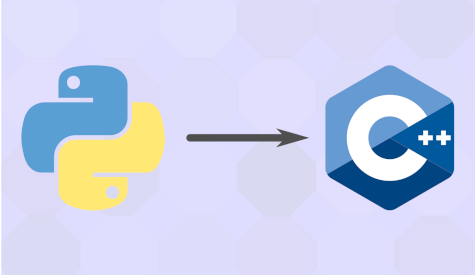
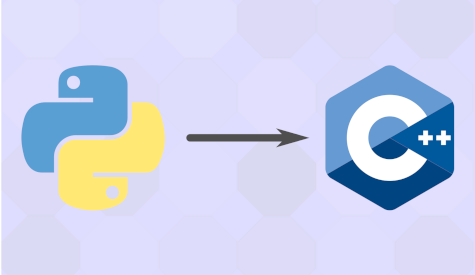
C++ is a high level programming language that is extremely useful for scientific applications. The language has historically had a bad reputation, but modern C++ is much improved so that your code can be relatively short and elegant. In this workshop we will teach the basics of C++ for people who are familiar with the basics of programming, and we will especially compare and contrast C++ with Python (only the material covered in SCMP142 "Intro to Programming with Python" is required). Knowing multiple programming languages may be a useful skill: while Python is a wonderful programming language, execution speed is often a practical issue for pure Python applications. For applications where this is an issue, coding in C++ can significantly improve performance. As C++ can relatively easily be integrated in a Python project, it is also possible (and common) to code just the bottleneck in that language.

Format: Virtual

Teacher: Yohai Meiron
Start date: 30 Oct 2023
End date: 3 Nov 2023
Scientific Computing Credits: 6

New to programming? Learn the basics of programming using python in eight one-hour sessions over the course of four weeks. Sessions will consist of a mix of lectures and hands-on exercises.

Format: In-person. Sessions will be recorded.

Start date: 5 Nov 2024
End date: 5 Dec 2024
Scientific Computing Credits: 8

New to programming? Learn the basics of programming using python in eight one-hour sessions over the course of four weeks. Sessions will consist of a mix of lectures and hands-on exercises.

Format: In-person. Sessions will be recorded.

Start date: 3 Oct 2023
End date: 26 Oct 2023
Scientific Computing Credits: 8

Working with many of the HPC systems (like those at SciNet) involves using the Linux/UNIX command line. This provides a very powerful interface, but it can be quite daunting for the uninitiated. In this half-day session, you can become initiated with this course which will cover basic commands. It could be a great boon for your productivity.

Format: Virtual

Date: Mon, 18 Sept 2023 - 1:00 pm
Scientific Computing Credits: 3

C++ is a high level programming language that is extremely useful for scientific applications. The language has historically had a bad reputation, but modern C++ is much improved so that your code can be relatively short and elegant. In this workshop we will teach the basics of C++ for people who are familiar with the basics of programming, and we will especially compare and contrast C++ with Python (only the material covered in SCMP142 "Intro to Programming with Python" is required). Knowing multiple programming languages may be a useful skill: while Python is a wonderful programming language, execution speed is often a practical issue for pure Python applications. For applications where this is an issue, coding in C++ can significantly improve performance. As C++ can relatively easily be integrated in a Python project, it is also possible (and common) to code just the bottleneck in that language.

Format: In-person, but also will be broadcast and recorded.

Start date: 23 Jan 2023
End date: 27 Jan 2023
Scientific Computing Credits: 6

Working with many of the HPC systems (like those at SciNet) involves using the Linux/UNIX command line. This provides a very powerful interface, but it can be quite daunting for the uninitiated. In this half-day session, you can become initiated with this coursse which will cover basic commands. It could be a great boon for your productivity.

Format: In person, but also broadcast and recorded.

Date: Mon, 16 Jan 2023 - 1:00 pm
Scientific Computing Credits: 3

Working with many of the HPC systems (like those at SciNet) involves using the Linux/UNIX command line. This provides a very powerful interface, but it can be quite daunting for the uninitiated. In this half-day session, you can become initiated with this coursse which will cover basic commands. It could be a great boon for your productivity.
Format: In person, but also broadcast and recorded.

Date: Fri, 14 Oct 2022 - 1:00 pm
Scientific Computing Credits: 3

New to programming? Learn the basics of programming using python in eight one-hour sessions over the course of four weeks. Sessions will consist of a mix of lectures and hands-on exercises.
Format: In-person. Sessions will be recorded.

Start date: 3 Oct 2022
End date: 4 Nov 2022
Scientific Computing Credits: 8

Working with many of the HPC systems in Ontario involves using the Linux/UNIX command line. This provides a very powerful interface, but it can be quite daunting for the uninitiated. In this half-day session, you can become initiated with this course. This hands on session will cover basic commands. It could be a great boon for your productivity.

Date: Fri, 28 Jan 2022 - 1:00 pm
Scientific Computing Credits: 3